Making Apple Cider Vinegar
bookmark this at :: del.icio.us
:: Digg it
|
|
June 27, 2007 |
Vinegar is one of the easiest culture-products prepared at home, either from wine-- resulting in wine vinegar, or e.g., apple juice, for producing apple cider vinegar. In fact, vinegar may be prepared from non alcoholic juices such as fresh fruit or vegetable juice, including cereal grains [maltgar] and honey [honeygar]. Bee pollen vinegar is also a possibility, with 1 part bee pollen, 2 parts honey and 3 parts water. Adding about 5% by volume of either kombucha tea, or a non-pasteurized vinegar as an inoculant [to seed], and let stand for a few months in a container, will produce a wonderful, light amber coloured Pollengar. The pollengar that I produce has a delicate light flavour, which is not overly acidic.
Common traditional vinegar is mostly produced by inoculating [seeding] either fresh fruit juice e.g., apple juice, with the addition of a small amount of non-pasteurized vinegar [also classified as a mother-culture].
Alternatively, wine may be stored in a container with a cloth placed over the mouth of the vessel, to let in air while keeping out dust and insects. Left for 3 to 6 months to ferment at room temperature will produce natural vinegar.
It is important to place the ingredients in a covered but vented container [left at room temperature], so that the liquid or juice [medium] receives ample amount of oxygen throughout fermentation. This is because the acetic acid producing organisms are aerobic, and need ample amount of freely available oxygen to do their job well.
The addition of a small amount of non-pasteurized vinegar, say 5% by volume, hastens the culture-process ensuring a satisfactory vinegar is produced, however, in most cases this is not essential, for wine will turn to vinegar if aired over a period of time.
After some days to a few weeks, an opaque film should form on the surface of the brew. This film is often referred to as mother of vinegar [MOV]. Undisturbed, the film will remain afloat in the forming vinegar. The film may sink into the liquid if the container is agitated even slightly. If this occurs, within time a new pellicle forms, replacing the previous submerged colony. The newly formed pellicle will once again form on the surface of the vinegar or kombucha. This process may occur many times over, doing so when ever any colony, or pellicle becomes submerged in the liquid brew.
 Culturing Apple Cider Vinegar Culturing Apple Cider Vinegar
This mother-cultured apple cider vinegar is quite easy to prepare at home, from a few simple ingredients. Any MOV that forms, should have a clean sour odour. No mold should be found on the surface! Any brown spots or web-like tentacles as seen in the photo, are due to yeast lees and possible coagulated tannins or colloidal substances found in the initial juice. These are regarded as safe.
This batch was prepared from scratch from freshly pressed apple juice. Fresh apple juice was inoculated with the addition of about 5% non-pasteurized vinegar. A cloth placed over the mouth of the container keeps out dust and insects. The container is stored in a dark cupboard for 3 - 4 months. When the cider vinegar acquires a sour taste, with no fizz, it is ready. Half the volume of vinegar is siphoned into a bottle ready for consumption and the brewing container is topped up with freshly pressed apple juice, and left to ferment as before. This ongoing process may be performed on an indefinite basis, producing a constant supply of cider vinegar.Labels: Apple cider vinegar |
posted by Maggie @ 7:21 am   |
|
|
|
More on Apple Cider Vinegar
bookmark this at :: del.icio.us
:: Digg it
|
|
June 26, 2007 |
Jogging in a Jug
In 1985, Jack McWilliams, an Alabama farmer, concocted a potion he called "Jogging in a Jug." It consisted of apple cider vinegar combined with a variety of fruit juices to give it a more appealing taste.
Acetic acid, claimed McWilliams, was lacking in the modem diet, and this deficiency was the root cause of many health problems. He claimed that the potion had cured his arthritis and heart disease, and it could reduce the risk of cancer in the internal organs. McWilliams marketed his product through the media, receiving extensive coverage in small community newspapers and broadcast outlets. He reportedly sold $9 million worth of his potion in one year.
The FDA, however, did not look kindly on Mr. McWilliams's vinegar product and its advertised claims. The federal government seized the product in 1994 due to the unproven health claims.
In 1995, thousands of bottles of the potion were ordered destroyed because the product was considered an unapproved new drug due to the claims made by the producer. Subsequently, Mr. McWilliams's company, Third Option Laboratories, Inc., paid the Federal Trade Commission a $480,000 fine to settle charges of false advertising. "Jogging in a Jug" is still on the market today with a new label that meets FDA guidelines.
The Real Story according to Beth Fontenot

There is no scientific evidence that apple cider vinegar has any medicinal properties. While the folksy anecdotes from those who claim to have benefited from apple cider vinegar tonics may be amusing to read, they are simply that -- anecdotes.
Apple cider vinegar is anything but a storehouse of nutrients. A nutritional analysis of one tablespoon (more than the one or two teaspoons suggested to make a tonic) reveals that the golden liquid contains less than a ram of carbohydrate: minuscule amounts of calcium, iron, magnesium, sodium. copper, manganese, and phosphorus; and a mere 15 mg of potassium. The fiber, vitamin, and amino acid content is zero.
As for the presence of any beneficial enzymes in apple cider vinegar or the "mother," food scientists doubt that any could thrive in the acid environment of the vinegar. Assuming any were present, though, they would be destroyed in the acid of the stomach when consumed and be of no use to the body.
The Arthritis Foundation calls vinegar a harmless, but unproven, arthritis remedy. It points out that arthritis symptoms come and go, and that a person using an unproven remedy may think a remedy worked simply because they used it at a time when symptoms were going into natural remission. Such is undoubtedly the case for many of the "cures" connected to vinegar.
Beth Fontenot is a nutrition consultant and freelance nutrition writer in Lake Charles, LA. She serves on the adjunct faculty at both McNeese State University in Lake Charles and Lamar University in Qrange, TX.Labels: Apple cider vinegar |
| posted by Maggie @ 11:09 pm |
|
|
|
Apple Cider Vinegar
bookmark this at :: del.icio.us
:: Digg it
|
|
June 25, 2007 |
Some New Twists
Apple cider vinegar is sold today by "health food"  companies and others who claim it has remedial properties. The claims are similar to those in the past, but some have taken on a modem twist based on more recent medical research. Marketers contend that the beta-carotene in apple cider vinegar destroys free radicals in the body which are involved in the aging and mutation of tissues and in destroying the immune system. Apple cider vinegar's beta-carotene is said to be in a "natural, easy to digest form." Its use as a remedy for arthritis is based on the notion that acid crystals harden in the joints and tissues which cause the joints to become stiff and the tissues to harden. These acid crystals also cause the body to age prematurely, so the ads state. Apple cider vinegar is supposed is put these acid crystals in solution so they can be flushed from the body. Producers also claim that apple cider vinegar can lower cholesterol and blood pressure. These assertions are based on the assumption that people naturally crave acids when eating animal proteins in order to lessen the thickening influence of "heavy proteins and fat." Apple cider vinegar supposedly thins the blood so it can circulate more freely. Thick blood, they say, puts a strain on the heart and up goes the blood pressure. Another source states that the pectin present in apple cider vinegar works its way through the digestive system, binding to cholesterol and removing it from the body. Apple cider vinegar is also available in tablet form. One brand is merchandised as a "digestive aid for vegetarians." The manufacturer of this product alleges that the tablets help acidify the stomach and help digest protein. Another tablet, which contains apple cider vinegar as one of its components, is sold as a fiber supplement and supposedly assists in weight loss. Still other companies add herbs to their apple cider vinegar "so people see relief from even more ailments." The rubbery mass of goo called the "mother of vinegar" is reputed to have magical healing properties as well. Nibbling on a bit of this moldy slime every day is purported to prevent most infectious diseases and keep germs and parasites from invading the body. One company's advertisement for organic, raw, unfiltered, unheated, unpasteurized apple cider vinegar is particularly alarming. This company's ad maintains that "there is nothing in this wonderful natural apple cider vinegar that can in any way harm your body!" Apparently, they have never heard of the danger of E. coli 0157:H7 in unpasteurized fruit juices. Normally vinegar is too acidic to support bacteria. However, should the acidity weaken (pH reaching 4.6 or higher), then pathogens will survive and grow. I'll finish this article tomorrow - stay tuned. Labels: Apple cider vinegar |
| posted by Maggie @ 11:00 pm |
|
|
|
The Sour Truth About Apple Cider Vinegar
bookmark this at :: del.icio.us
:: Digg it
|
|
June 24, 2007 |
Evaluation of therapeutic use
Nutrition Forum, Nov-Dec, 1997 by Beth Fontenot
Apple cider vinegar is an old folk remedy claimed to be beneficial in treating a long list of ailments. Proponents say that it can cure arthritis, guard against osteoporosis, lower blood pressure and cholesterol, prevent cancer, destroy infection, assist in digestion and weight control, maintain memory, and protect the mind from aging.
Vinegar is said to have been used for medical ailments for at least 10,000 years. The Babylonians first converted wine into vinegar in 5000 BCE using date palms, grapes, and figs, and believed vinegar had exceptional healing properties. Hippocrates is said to have used vinegar as an antibiotic. Samurai warriors supposedly used a vinegar tonic for strength and power. During the U.S. Civil War, soldiers used vinegar to prevent gastric upset and as a treatment for various ailments including pneumonia and scurvy. It was used to treat wounds during World War I.
The name vinegar comes from a French word meaning "sour wine." It is produced by the action of yeast and bacteria on grains or fruit juices. Vinegars take their name from the material used to make the vinegar, i.e., apple cider vinegar comes from apples, wine vinegar comes from grapes.
Apple cider vinegar is made by crushing apples and squeezing out the liquid. Sugar and yeast are added to the liquid to start the fermentation process, which turns the sugars into alcohol. In a second fermentation process, the alcohol is converted by acetic acid-forming bacteria into vinegar. Acetic acid gives vinegar its sour taste.
"Mother of vinegar" is a term used to refer to the mass of scum that forms on top of cider when alcohol turns into vinegar, or to the cloudy substance that sometimes develops in stored vinegar. It is actually bacteria and yeast cells that have died.
Folk Claims
In 1958 Dr. D. C. Jarvis, a "noted Vermont country doctor," wrote a book entitled Folk Medicine in which he extolled the virtues of vinegar. He claimed that Vermonters knew how to cure migraine headaches, diabetes, chronic fatigue, arthritis, and a variety of other ailments. They used apple cider vinegar.
Among Dr. Jarvis's many tenets about apple cider vinegar was his advice to pregnant women to drink an apple cider vinegar tonic daily to assure that the infant is born with "an excellent chemical pattern with which to meet its new environment." He recommended the same tonic for those suffering from arthritis. Believing that apple cider vinegar would destroy bacteria in the digestive tract, he advised those with gastro-intestinal problems to consume a tonic with each meal. He also declared that the regular consumption of an apple cider vinegar tonic would make body fat disappear because the vinegar would cause the fat to be burned instead of stored.
His book quickly sold 500,000 copies and is still in print. Apple cider vinegar is still promoted as one of the chief "natural" remedies for arthritis.
Those who believe that apple cider vinegar has miraculous properties attribute its powers to an abundance of nutrients in the liquid. One company's sales pitch states, "Each golden drop is a natural storehouse of vitamins and minerals." Marketers point to the trace minerals, bacteria,. and enzymes present in their product as the ingredients that give apple cider vinegar its curative characteristics. Another company suggests that their apple cider vinegar is superior because it contains pectin, beta-carotene, and potassium in addition to enzymes and amino acids. Apple cider vinegar is also said to contain an abundance of complex carbohydrates and dietary fiber. Dr. Jarvis believed that the healing properties of apple cider vinegar were due in large part to its rich potassium content.Labels: Apple cider vinegar |
| posted by Maggie @ 10:52 pm |
|
|
|
Low estrogen increases hip fracture risk in men
bookmark this at :: del.icio.us
:: Digg it
|
|
June 22, 2007 |
Health News, Oct, 2006Men with low levels of the hormone estrogen may be more likely to sustain a hip fracture, according to a study in The American Journal of Medicine.  What's more, men with both low estrogen and low testosterone levels have the greatest risk for hip fracture, the study found. Each year, 80,000 men sustain a hip fracture and one-third of these men will die within a year, according to statistics from the National Institute of Arthritis and Musculoskeletal and Skin Disease in Bethesda, MD. Though many people associate testosterone with men and estrogen with women, men possess both hormones. Estrogen levels are known to have an effect on bone mineral density and testosterone, too, is thought to have a positive effect on bone. In the study, researchers examined 793 men with no record of prior hip fracture who had their estrogen and testosterone levels measured between 1981 and 1983. They followed the men until 1999. The men were categorized as having low, midrange or high levels of each hormone. Men with low estrogen levels had 3.1 times the risk of hip fracture compared to men with high estrogen levels. Men who only had low testosterone levels did not have an increased risk for hip fracture, but men with both low estrogen and low testosterone levels had 6.5 times the risk of hip fracture compared to the men who had both estrogen and testosterone levels in the high range or midrange. Labels: estrogen, hip fracture |
| posted by Maggie @ 8:25 am |
|
|
|
Drinking water - do you need 8 glasses a day?
bookmark this at :: del.icio.us
:: Digg it
|
|
June 18, 2007 |
Almost every dermatologist tells us we should drink water for skin health and to hydrate the skin. Respected dermatologists like Daniel Maes (Head of Research for Estee Lauder), Nicholas Perricone, Dr Murad and countless others less famous but no less qualified all say drinking water is important to keep skin hydrated. And hydrated skin is younger looking skin as we all know.

The fact is skin - just like any other part of the body - is made up of cells. All the cells in our body are interconnected. You simply can't separate your 'insides' from your 'outsides' and say they are somehow different and that the water taken into your body doesn't get to the skin cells. And skin cells like any other cell in the body are almost entirely made up of water.
Without water the organs in the body - and the skin is the biggest - won't function properly. Loss of hydration in the skin shows in all sorts of ways - dryness, tightness, flakiness. Dry skin has less resilience and is more prone to wrinkling. Water is essential to maintain skin moisture and is the vehicle for delivering essential nutrients to the skin cells. As water is lost in large quantities every day - it stands to reason you have to replace it somehow.
Taking water into the body by drinking sufficient during the day is important but most dermatologists will tell you that to maintain the skin's moisture levels you need to keep it there too.
"The Water Principle is not just about drinking four, eight or 12 glass a day, its about getting water into cells and keeping it there"
Dr Murad, Clinical dermatologist and creator of Murad Skin Care
Here's a quick summary of the main points of a recent interview with Dr Murad:
* drink water throughout the day at regular intervals
* eat fresh fruit and vegetables which add a lot of water to the diet as well as antioxidants and fiber
* drink milk and fruit juice as additional sources of water
* take essential fatty acid supplements like evening primrose oil or flaxseed
* take glucosamine supplements to hold moisture in cells
* use a good daily moisturizer
Another skin care adviser is Dr Todorov at Smart Skin Care
"It is true that drinking lots of water helps keep the skin moist. However, it is best to drink most of your water during the day, and not drink excessive amounts of fluids at night, particularly within 2 hours before going to bed. Otherwise, many people tend to get morning puffiness that promotes facial sag."
Dr Todorov has a Phd in Biology and an MS in Molecular Biology, Labels: anti-aging, water |
| posted by Maggie @ 9:07 pm |
|
|
|
Four more super anti-aging fruits and vegetables
bookmark this at :: del.icio.us
:: Digg it
|
|
June 17, 2007 |
Any fruit or vegetable you eat is bound to make known and unknown chemical contributions to your quest for youth. But here are ten with so much known potential you shouldn’t ignore them.
There are 5 today and the other 6 were posted yesterday.
7. Citrus fruit: The orange is so full of anti-oxidants that experts call it a complete package of every class of natural anti-cancer inhibitor known, including carotenoids, flavonoids, and Vitamin C. Grapefruit, too, has a unique type fiber, especially in the membranes and juice sacs, that reduce cholesterol dramatically and even may reverse the aging diseases atherosclerosis. Grapefruit is also high in  glutathione, the so-called master anti-oxidant that fights off all kinds of free radical damage to cells and thus aging. 8. Grapes: the anti-aging secret of grapes is simple and powerful: Grapes contain twenty known anti-oxidants that work together to fend off free radical attacks and protect against disease and aging. The anti-oxidants are in the skin and seeds, and the more colourful the skin, the greater the anti-oxidant punch. That means red and purple grapes and purple grape juice are more powerful. Grape anti-oxidants have anti-clogging activity, inhibit oxidation of LDL cholesterol and relax blood vessels. The anti-oxidant quercetin, also plentiful in onions and tea, appears to be one of the grapes’ foremost anti-aging components. Raisins, which are simply dried grapes, count too, in fact, raisins are reported to contain higher concentrations of anti-aging compounds than fresh grapes, but not as much as red wine. One and a half ounces of raisins have three times more anti-oxidants than a glass of white wine, and one third as much of anti-oxidants as a glass of typical French red wine. 9. Onions: A close kin of garlic, the onion too, has diverse anti-aging activity. Full of anti-oxidants, onions help prevent cancer, especially stomach cancer, ‘thin the blood,” discouraging clots, and raise good-type HDL cholesterol. Red and yellow onions (not white onions) are the richest foods in quercetin, a celebrated anti-oxidant that inactivates cancer-causing agents, inhibits enzymes that spur cancer growth, has anti-inflammatory,  anti-bacterial, anti-fungal and anti-viral activity. Quercetin also keeps bad LDL cholesterol from turning toxic and attacking arteries. 10. Spinach: This green leafy vegetable is packed with a variety of anti-oxidants. No wonder spinach and its components often show up in studies as warding off a broad variety of free radical-inspired diseases, including cancer, heart disease, high blood pressure, strokes, cataracts, muscular degeneration, even psychiatric problems. One of the most striking anti-oxidants in spinach is lutein, thought to be as strong an anti-aging agent as well known beta carotene; spinach, however, is rich in both. Eating high amounts of spinach cuts the risk of macular degeneration, a potential cause of blindness, by 45 percent. Eating a cup of raw spinach or a half cup of cooked spinach daily may slash lung cancer odds in half, even among former heavy smokers. Spinach is very rich in folic acid, a brain and artery protector as well as an anti-cancer agent.  11. Tomatoes 11. Tomatoes: The familiar tomato is an unexpected anti-aging power house. Tomatoes are by far the richest and virtually only reliable source of a remarkable anti-oxidiant, lycopene. Research shows that lycopene is more powerful in snuffing out specific free radicals than even much-touted beta carotene. Mind-boggling new research suggests that lycopene preserves mental and physical functioning among the elderly. High blood levels of lycopene also reduce risk of pancreatic and cervical cancer. Tomato suppresses cancer causing nitrosamines. Only tomatoes and watermelon conain substantial amount of lycopene. Cooking the tomatoes does not destroy the lycopene. That makes all kinds of tomato sauces a potent preserver of youth. Adapted from the book "How to stave off aging". Labels: anti-aging, diet |
| posted by Maggie @ 3:18 pm |
|
|
|
Six super anti-aging fruits and vegetables
bookmark this at :: del.icio.us
:: Digg it
|
|
June 16, 2007 |
ANY fruit or vegetable you eat is bound to make known and unknown chemical contributions to your quest for youth. But here are ten with so much known potential you shouldn’t ignore them.

NOTE: We'll have 6 today and 5 tomorrow
1. Garlic is a super anti-aging food that you can also take in oil or pill form.
2. Avocado: It’s one of the super guardians of cells because of its abundance  of glutathione, the “master antioxidant” that, among other miracles, helps neutralise highly destructive fat in foods. of glutathione, the “master antioxidant” that, among other miracles, helps neutralise highly destructive fat in foods.
True, avocado is high-fat, but much of it is good fat - monounsaturated, a type that resists oxidation. Eating avocados also lowers and improves blood cholesterol better than a low fat diet does, according to recent research. The fruit is also rich in blood-vessel protective potassium.
 3. Berries: Blue berries, cranberries, strawberries, raspberries, they are all loaded with anti-oxidants to save your cells from premature aging. Blueberries, for example, have more anti-oxidants called anthocyanins than any other food, three times more than the second richest sources, red wine and green tea. Both blueberries and cranberries help ward off urinary tract infections. In one study, older people who eat strawberries had the lowest rate of all kinds of cancer. Berries are particularly rich in anti-oxidant Vitamin C, an overall youth potion. 4. Broccoli: It’s hard to say enough for the awesome array of anti-oxidants in broccoli. It is packed with free radical fighters, Vitamin C, betacarotene, querectin, indoles, glutathione and lutein. Broccoli is one of the richest food sources of the trace metal chromium, a life extender and protector against the ravages of out-of-control insulin and blood sugar. In women, broccoli helps the body get rid of the harmful type of estrogen that promotes cancer. Broccoli eaters also have less colon and lung cancer and cardiovascular disease. Eating broccoli has even been linked to longer survival in lung cancer patients.  5. Cabbage 5. Cabbage: Like broccoli, cabbage is a cruciferous vegetable with potent anti-oxidant activity. Cabbage also seems to deter stomach and breast cancer. A specific anti-oxidant in cabbage accelerates the disposal of a harmful form of estrogen that promotes breast cancer. To get the most anti-aging benefits, eat cabbage and other cruciferious vegetables raw or lightly cooked. 6. Carrots: Carrots are legendary in fighting off aging diseases. Countless studies pinpoint beta carotene, carrots’ main anti-oxidant asset, as a powerhouse against aging and diseases. The beta carotene in a daily medium carrot will cut lung cancer risk in half, even among former heavy smokers. People with low levels of beta carotene in their blood are more apt to have heart attacks and various cancers and to die or to be disabled by strokes. Beta carotene helps protect the eyes from sight-robbing diseases that develop with aging. The orange pigment also boosts immune functioning. One medium carrot contains about 8 milligrams of beta carotene. For a real injection of beta carotene try carrot juice. One cup contains 24 milligrams of beta carotene. Labels: anti-aging, diet |
| posted by Maggie @ 10:40 am |
|
|
|
Stay Connected
bookmark this at :: del.icio.us
:: Digg it
|
|
June 15, 2007 |
Principle 5: Stay Connected
Reach out to family, friends, and community

Feeling connected to others is a great source of joy. When we reach out to others, and they to us, we experience love in our life. Our links to family, friends, and community are vital to our sense of belonging and well-being. They create a safe haven. They offer us the opportunity to give of ourselves, and to be ourselves.
"We always need our family and our community ties to be strong.They are both the world we live in and our refuge from the world."
Tips for Staying Connected:
* Seek out a place in your neighborhood, like a restaurant or coffee shop, creating a spiritual home for all your friends to come together.
* Make that phone call or send a quick note and say "I miss you" or "thank you."
* Connect with someone who needs you. Volunteer
* Create celebrations
* Give a birthday party for a friend or plan your ownLabels: anti-aging |
| posted by Maggie @ 11:16 am |
|
|
|
Discover Your Wisdom
bookmark this at :: del.icio.us
:: Digg it
|
|
June 14, 2007 |
Principle 4: Discover Your Wisdom
Draw on your experience and know that you are wise

The advantage is ours now. We've had time to know what works and what doesn't and we need to realize that we're sitting on an amazing bank of wisdom, a library of firsthand knowledge.
Let's treasure it. Embrace it. Make the most of our hard-earned wisdom. Instead of thinking that we have lost worth by aging, that we are no longer young or viable, let's actively honor and appreciate the wisdom that age has brought us.
Let's recognize that experience has made us better--and a whole lot wiser.
"This is your life. Everything you intend can be made manifest."
Tips for Discovering Your Wisdom:
* Get in touch with your wisdom through journaling
* Access your wisdom and do the things you've dreamed of
* Discover a hidden talent
JOURNALING
Journaling is one of the best ways I know to tap into wisdom. The simple act of writing down what we think and feel invites us to pause and be conscious of what it is we are thinking and feeling.
One way to get started journaling is to write down what comes to mind as you contemplate these thoughts.
* What have I always wanted to do but never tried?
* What gives me joy? What gives me peace?
* What am I grateful for? Who am I grateful to?
* Who have my greatest teachers been?
* What are my fears and how can I conquer them?
* What would I like to change about my life?
* If I knew I wouldn't fail, what would I attempt to do?Labels: anti-aging |
| posted by Maggie @ 11:08 am |
|
|
|
Honor Your Body
bookmark this at :: del.icio.us
:: Digg it
|
|
June 13, 2007 |
Principle 3: Honor Your Body
Create energy and strength for your best health

There is no reason that most of us can't have a strong, healthy body at midlife and beyond. It's not too late to turn things around. I won't say it doesn't matter what you have done to your body up to this point. Of course it matters.
But what you need to know now is this: it's never too late to do the things that will help you get a stronger, healthier body.
Now is the time to use your wisdom to dismantle the patterns that have held you back.
Now is the time to use your confidence to accept that your body can feel strong and look good.
Now is the time to honor your body and become the woman you know you can be, inside and out.
Now is the time.
"If you think of your body as a small child that needs your wise and gentle guidance, then of course you will want to tuck it under your protective wing and care for it."
Tips for Honoring Your Body:
* Discover healthy snacks.
* Increase the amount of calcium in your diet.
* Explore new ways to exercise. Try yoga, a mini-trampoline, or Pilates.
* Increase your flexibility by stretching.Labels: anti-aging |
| posted by Maggie @ 10:59 am |
|
|
|
Nurture Your Spirit
bookmark this at :: del.icio.us
:: Digg it
|
|
June 12, 2007 |
Principle 2: Nurture Your Spirit
Take time for yourself and develop your inner life

When it comes to nurturing our spirit we have an abundance of personal choices, all of them doors leading to the soul. Whatever one we choose, it is important that our spiritual life enhances our own sense of well-being, and the well-being of those around us.
Nurturing our spirit may begin as small acts of giving to ourselves, but eventually, by connecting with our inner life, we offer all that we have, to others.
It is only when we feel we are spiritually nurtured, that we feel the confidence and calm to go even deeper within.
"To do...Nurture my spirit.Share my joy.Respect myself."
Tips for Nurturing Your Spirit:
* Try meditating. Even 5 or 10 minutes can have a powerful effect on your day
* If you're not ready to meditate, set aside some time each day just to think
* Create a sacred space
* Create a ritual, like an "enchanted bath"Labels: anti-aging, meditation |
| posted by Maggie @ 10:45 am |
|
|
|
Ageless Living Pronciples
bookmark this at :: del.icio.us
:: Digg it
|
|
June 11, 2007 |
Principle 1: Look Your Best 
Present your true self by taking care of the outside
The approach to looking your best is holistic, involving mind, body, and spirit. For me, midlife beauty is not so much about tricks of the trade as it is about harmony--health, energy, enthusiasm, and a strong sense of self.
At midlife, beauty and spirituality are connected, reflecting each other in the packaging that is us. We want to look our best, not necessarily out of vanity, but because we want to be proud now of who we have become… and who we are becoming.
"Don't underestimate the power of the connection between how we look and how we feel."
The Look-Your-Best Checklist:
* Take at least ten minutes a day to care for your skin by moisturizing and cleaning.
* Exfoliate once a week.
* Wear UVA/UVB sunblock, of at least 30 SPF, always - summer and winter.
* Spend one lunch hour this week walking outdoors. But don't skip lunch. Invite a friend to join you.
* Be sure you eat a balanced diet, full of foods rich in antioxidants.
* Keep healthy foods at home; no junk. If you don't have it, you won't eat it!
* Exercise three times a week for at least thirty minutes.
* Stay hydrated. Keep water with you at all times.
* Make a conscious effort to replace old negative "tapes" in your head with new positive ones: "I feel great," "I am healthy," "I look my best."
* Post these statements wherever you will see them - on your bathroom mirror, by the telephone, in the kitchen, in your date book, on your computer.Labels: anti-aging |
| posted by Maggie @ 9:51 am |
|
|
|
Fish and Vitamin D Intake
bookmark this at :: del.icio.us
:: Digg it
|
|
June 10, 2007 |
Fish and Vitamin D Intake Linked to Lower Risk of Macular Degeneration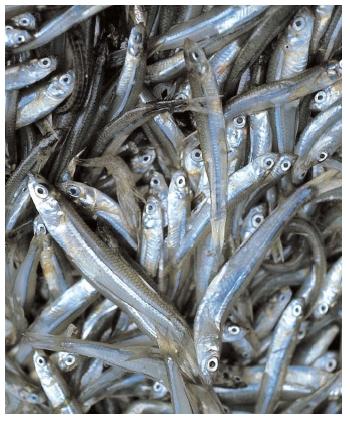 Two studies published in the May 2007 Archives of Ophthalmology have shown that vitamin D and the omega-3 fatty acids from fish may help lower the risk of developing age-related macular degeneration. Age-related macular degeneration, also known as AMD, is a progressive eye disease of the retina that affects the light-sensing cells in the central area of vision and dims contrast sensitivity and color perception.The condition is thought to be caused by a combination of genetic and environmental factors, and is most common in people who are age sixty and over. AMD is the leading cause of visual impairment in senior citizens.
In the first study, researchers evaluated habitual nutrient intake through food frequency questionnaires of over 4,500 people between ages 60 and 80 who participated in a study by the National Institute of Health's National Eye Institute. Researchers found that higher dietary intakes of omega-3 long-chain polyunsaturated fatty acids, mainly from fatty fish, reduced the risk of age- related macular degeneration. The researchers speculate that these fatty acids may help promote cell health and survival as well as improve blood vessel function. In the second study, researchers evaluated serum vitamin D and early and advanced macular degeneration in over 7,752 individuals from the National Health and Nutrition Examination Survey III (NHANES III). Researchers noted that vitamin D intake was associated with a reduced risk of developing poor visual health that can lead to blindness. Participants were split into five groups based on the level of vitamin D in their blood. Those with the highest level had a 40% reduced risk of developing poor visual health compared with those with the lowest amount of vitamin D in their blood. These results support the idea that lower serum vitamin D levels may lead to progression of chronic diseases, specifically those associated with inflammation. This may be important to the health of older Americans who have a higher risk of insufficient vitamin D intake, the researchers said. While these results are promising, researchers caution that at this time there is insufficient epidemiologic evidence of the relationship between vitamin D and age-related macular degeneration to make recommendations regarding optimum vitamin D levels and fish intake to protect against the eye disease or its progression. These results warrant additional investigation to further confirm the role of omega-3 long-chain polyunsaturated fatty acids and vitamin D in AMD.
 The Relationship of Dietary Lipid Intake and Age-Related Macular Degeneration in a Case-Control Study: AREDS Report No. 20. Arch Ophthalmol. 2007 May;125(5):671-9. Association Between Vitamin D and Age-Related Macular Degeneration in the Third National Health and Nutrition Examination Survey, 1988 Through 1994. Arch Ophthalmol. 2007 May;125(5):661-669. The Relationship of Dietary Lipid Intake and Age-Related Macular Degeneration in a Case-Control Study: AREDS Report No. 20. Arch Ophthalmol. 2007 May;125(5):671-9. Association Between Vitamin D and Age-Related Macular Degeneration in the Third National Health and Nutrition Examination Survey, 1988 Through 1994. Arch Ophthalmol. 2007 May;125(5):661-669. Labels: Macular Degeneration |
| posted by Maggie @ 10:43 am |
|
|
|
Vitamin D and Osteoporosis
bookmark this at :: del.icio.us
:: Digg it
|
|
June 08, 2007 |

SOME RECENT RESEARCH AND FOOD SUGGESTIONS TO HELP PREVENT OR REVERSE OSTEOPOROSIS
Summarized By Rosemary Fisher
How Common is Osteoporosis?
About 28 million people are at risk for osteoporosis, which costs about $13 billion in health care annually.
Vitamin D and Osteoporosis
Much is being said in the research about vitamin D. The first study I noted was done in France, by Marie C. Chapuy et al. It studied 3270 women, 69 to 106 years of age. They were living in 180 nursing homes or apartment houses. This study was published in the New England Journal of Medicine (1992; 327:1637-42). It was a planned study period of 18 months. Their diets were supplemented with a special calcium mixture and 800 units of vitamin D3.
I asked myself, "What is vitamin D3?" Through more research I found that vitamin D3 is made from fish liver oils and is so labeled on the bottle. I buy them in Rochester, N.Y., 100 for $1.55. I take only one a day, not two, since in France dairy products are not fortified with vitamin D, but they are in the US.
At the end of the study of 18 months, the number of hip fractures was 43% lower and the number of nonvertebral fractures was 32 % lower in the women treated with calcium and vitamin D than among those who received the placebo.
A good reason to watch your calcium and vitamin D intake. Note that the ages in the study were 69 to 106 years of age. Impressive!
Another study was reported in New England of Medicine (1997; 337 (10). This study lasted 3 years and involved 176 men and 213 women, 65 years or older. Researchers say the reduction in the risk of fractures was similar to the French study.
How foods high in lysine help increase bone density
Researcher Roberto Civitello, M.D. of Washington University in St. Louis says it’s possible that you may absorb more calcium by eating foods that are high-lysine, such as poultry, fish, dairy products, legumes, defatted soy flour and nuts. (Nutrition; November - December 1992). In defatted soy flour there are 100 grams (1/2cup) of lysine. This is good for osteoporosis and many other diseases.
A diet rich in calcium should contain at least 1,000 to 1,500 milligrams of calcium per day. In the study they used 800 milligrams of lysine a day.
Another good reason to eat calcium-rich foods (as opposed to supplements) is a much lower risk of creating kidney stones. Many stones are rich in oxalate. The calcium in foods, however, may bind the oxalate before it can be deposited as a stone.
Can Men Reverse Their Osteoporosis?
Research indicates that at least 30% of men suffer hip fractures due to osteoporosis. And the good news is that they can avoid this according to new Tufts University study. There have not been many studies on men, most research has focused on women, but this study specifically included men. Compared with controls, men in the placebo group lost 1% of bone density and men on vitamin D and supplements increased density by 1%.
"If people keep their calcium and vitamin D levels up, maybe we won't have this problem at all," said Sherry Sherman, Director of Clinical Endocrinology and Osteoporosis Research for the National Institute on Aging. (New England Journal of Medicine September, 1998) Labels: calcium, osteoporosis, vitamin D |
| posted by Maggie @ 12:29 am |
|
|
|
Challenge!!
bookmark this at :: del.icio.us
:: Digg it
|
|
June 04, 2007 |
There are 44 muscles in the face, and toning these muscles gives the face a brighter appearance, a natural lift , smoother skin, and results in a younger look.

Use these face exercises to tighten up your skin and get it glowing - exercise the chin area to reduce those sagging jowels and 'turkey' neck.
This is the challenge - try to do these exercises every day!
The hardest part of these face exercises is keeping them up - try to get into a routine and do them every morning or every evening, when watching the tele or doing the ironing, or memorize them and do them in the shower as you are washing yourself. Women are good at multi-tasking, aren't we? I'm sure any men doing these exercises would be able to do two things at once too. With only 5-10 minutes of daily face exercises you should see results, and that sagging face should slowly disappear.
Forehead
To firm up your forehead place your index fingers just above your eyes and pull down while trying to raise your eyebrows - repeat 10 times
Eyes and Crows Feet
Try raising your lower eyelids without moving your upper ones - repeat 10 times. (This one's easier said than done, but can be achieved from the beginning of a squint. Look in a mirror and concentrate on keeping those upper lids still.)
Cheeks
Push your lips out and make a round shape, stretching forward, now smile as wide as possible - hold for a second and resume the round shape - repeat 10 times
Lips
1) Suck on your finger as hard as possible and then slowly remove it - repeat 10 times
2) To get rid of smokers wrinkles! (STOP SMOKING) and hide your teeth with your lips and then make a small 'O' shape, keeping the lips as tense as possible smile as wide as possible.
Neck and chin
1) Looking straight ahead place the index finger and thumb on your neck and gently pull the skin down as you lift your head - repeat 10 times
2) Keeping your mouth closed and your teeth together press the tip of your tongue against the bottom of your lower teeth, gradually increasing the pressure to the count of 10, hold for 6, and slowly release - at the same time, use 2 fingers at the hollow of your neck as resistance - gently pressing in.
3) Jut your lower lip out as far as possibe, place your fingers on your collarbone and point your chin as high as possible and then pull the corners of your mouth down.
4) Place your thumb behind the bone just under your chin, press tongue against your lower gums and pretend to touch your tongue to your thumb.
5) Tighten your chin muscle as firm as you can by pushing your lower lip up and out as though pouting. Tighten as hard as you can so chin turns white and dimpled.
6) Begin looking straight ahead with your chin level. Turn your head to the right so that it is even with your right shoulder and then push your head backwards. Hold 6-8 seconds. Return head to forward position with chin level. Turn your head to the left, even with your left shoulder. Push your head back and hold 6-8 seconds - repeat 6 times
Let me know how many days in a row you can do these face exercises before you skip a day.
By the way, make sure you do them again the following day if you miss a day, and get on with your routine again. Your face will thank you.Labels: anti-aging, face exercises |
| posted by Maggie @ 4:15 pm |
|
|
|
Reverse the aging process at the cellular level
bookmark this at :: del.icio.us
:: Digg it
|
|
June 03, 2007 |
Strength training for the senior set.

We all know that exercise is good for us. It boosts circulation and tones the cardiovascular system. It builds strength, burns calories and reduces depression. It improves insulin sensitivity in people with diabetes. It may even help delay the onset of Alzheimer's disease. But here's what you didn't know: it can partially reverse aging at the cellular level.
A study appearing this week in the online journal PLoS One looks at the effects of six months of strength training in 25 elderly volunteers aged 65 and older (average age: 70).
The researchers took small biopsies of thigh-muscle cells from the seniors before and after the six-month period, then compared them with muscle cells from 26 young volunteers (average age: 22).
"To be honest, we were expecting some indication that the exercise program improved strength," says biologist Simon Melov, director of genomics at the Buck Institute in Novato, Calif., and coauthor of the study. What the scientists didn't expect was what they actually found—that after six months of resistance training, there were dramatic changes at the genetic level.
As Melov puts it, "The genetic fingerprint [of the elderly participants] was reversed to that of younger people—not entirely, but enough to say that their genetic profile was more like that of young people than old people."
What kind of workout routine does it take to produce these changes?
The seniors went through a rigorous exercise program—an hourlong session of strength training twice a week for six months, using the same types of machines found in most gyms. At each session, they performed three sets of 10 contractions for each muscle group, similar to a standard workout (albeit using lighter weights than most young people would use).
Trainers and kinesiologists were on hand throughout to make sure the participants used the machines properly and did not injure themselves. It helped that all the participants were in good shape to start with—able to go shopping, walk the dog, play golf or swim. That was deliberate, according to Dr. Mark Tarnopolsky of McMaster University in Canada, who headed up the clinical portion of the trial. The researchers wanted to zero in on genetic changes related to aging itself, not changes that might be due to cancer or heart disease.
And how did the genes change? At the beginning of the six-month period, Melov found significant differences between older and younger participants in the expression of 600 genes, indicating that these genes become either more or less active with age. By the end of the six months, exercise had changed the expression of a third of them. Admittedly that leaves two thirds of the genes unchanged. "The others appear to be related to aging, but not exercise," says Melov. But he was struck by a common feature of the ones that did change. Overwhelmingly, they are involved in the functioning of mitochondria, the powerhouses of cells, which process nutrients into energy.
You might expect that, as a result, the participants had more energy—and that's exactly what they reported.
"Anecdotally, some reported that before the training, they had a hard time picking up their grandchildren," says Tarnopolsky. "Afterward, they could pick them up." Others reported that it became easier to carry heavy grocery bags or run up the stairs. And objective measurements showed that their strength improved by 50 percent. For Barbara Ford, 72, of Hamilton, Ontario, the real thrill came when her grandchildren came to visit and admired her new biceps. "They thought it was a scream I was getting 'Popeye muscles'," she says. "When they saw this, they all laughed."
The take-home message is clear. "It's never too late to start exercising," says Tarnopolsky. You're only as old as your genes.Labels: anti-aging, exercise |
| posted by Maggie @ 9:20 pm |
|
|
|
Other Factors for success in Your Anti-Aging Exercise Program
bookmark this at :: del.icio.us
:: Digg it
|
|
June 02, 2007 |
1. Detoxification
It’s important to start a detoxification routine, a process aimed at getting rid of toxins from our body. Our body metabolism has done that process, but in everyday life we are exposed to so many chemical hazards from air, food and environment. Fasting or just consuming fruits and vegetables are ways to detoxify our bodies.
 2. Sufficient sleep 2. Sufficient sleep
An observance of nature will show us that animals love to rest and sleep. They get as much sleep as they want. Rest and sleep are essential to recharge our nervous energy. Our Physical, Emotional and Mental balance depends on the quantity and quality of these vital necessities. They are the only things that recharge these batteries and allow for the proper elimination of metabolic wastes.
3. Proper Diet

This might play arguably the most important role in any anti-aging exercise program. Remember: “You are what you eat!” Eat the right foods and you’d be bound to retain youth, flexibility and virility even as you advance in age.
Of course, in a wise combination with the next factor, this natural anti-aging discipline will be enhanced even further!
4. Positive Thinking:
This is the third (of the 3 limbs) of Naturopathy. Think young and you’d be young, think success and you’d get success. As an anti-aging method, positive thinking (of course with an adherence to a proper diet and exercise) and affirmations should be incorporated in your anti aging exercise program for optimal success.
Also keep in mind that laughter, keeping company with friends and family (that raise your spirits), interacting with children, animals and nature and just remembering to take things easy are other factors that aid in delaying the aging process.
It is with confidence that I recommend applying the methods listed above and in the previous posts simultaneously, and am sure that you too will achieve success for your own natural anti-aging exercise program.Labels: anti-aging, exercise |
| posted by Maggie @ 1:41 pm |
|
|
|
The Need for Vitamins with Anti-Aging Exercises
bookmark this at :: del.icio.us
:: Digg it
|
|
June 01, 2007 |

When using an anti-aging exercise program, keep in mind that the need for anti-aging vitamins best derived from a proper diet remains an essential factor. The vitamins are items of a very complex nature. Each one of them has special work to perform. They control the body's use of minerals. If the mineral supply is deficient, there is less for vitamins to do. Taking this into consideration, a proper balance of vitamins and minerals is thus imperative for proper functioning of the endocrine and hormonal systems which are the core ones that lead to the success of any anti-aging exercise regimen. While conventional marketers may try to sell you so-called anti-aging vitamins in the form of pills, the best source of vitamins to use during an anti-aging exercise program will be the natural sources. The main vitamins needed are1. Vitamin A 2. Vitamin B complex 3..Vitamin C  4. Vitamin D 5. Vitamin E 6. Vitamin K Suffice to say, just as the Father of Medicine, Hippocrates, once stated in regards to getting the best source of the vitamins above, your best bet will be your fresh fruits and vegetables. These will also be the best source of Minerals for anti-aging purposes such as Calcium, chlorine, copper, Iodine, Magnesium, Phosphorus, Potassium, Sodium and Sulphur which are all absolutely essential for any anti-aging exercise program.  Please note that in some areas of the world there are insufficient minerals in the ground in which the vegetables are grown, therefore there will be none of those minerals in the vegetables. In this case it would be good to use good quality mineral and vitamin supplements. Labels: anti-aging, vitamins |
| posted by Maggie @ 1:39 pm |
|
|
|
|
|


